Helping Every Child Become a More Active Learner
Every classroom includes children with different sensory needs, energy levels, and ways of engaging with learning. For some children, sitting still, staying focused, following directions, or completing tasks can be a daily challenge.
What if a few minutes of purposeful movement could help children become more ready to learn?
Body Activated Learning™ is an innovative sensory-based program designed to support children's attention, self-regulation, and active engagement in learning. Developed by Aubrey Schmalle, OTR/L, SIPT, this program gives parents, educators, and child-development professionals practical, easy-to-use strategies that can be incorporated into existing routines to help children meet the demands of learning in today's environment.
With no special equipment required and just 3–5 minutes to complete the process, Body Activated Learning offers a simple way to support diverse learners without taking significant time away from instruction.
Helping Every Child Become a More Active Learner
Why Body Activated Learning™ Matters
Today's children are growing up in a world shaped by technology, surrounded by screens, digital content, and constant stimulation. While technology offers valuable learning opportunities, it also makes it important to create time and space for movement, sensory experiences, and active engagement.
In today's environment, educators and professionals are supporting children with a wide range of sensory, developmental, and learning needs. Some children struggle to stay focused, follow directions, manage transitions, or participate fully in everyday activities. Others may need additional movement or sensory input to feel organized and ready to learn.
For these children, traditional classroom strategies may not always be enough.

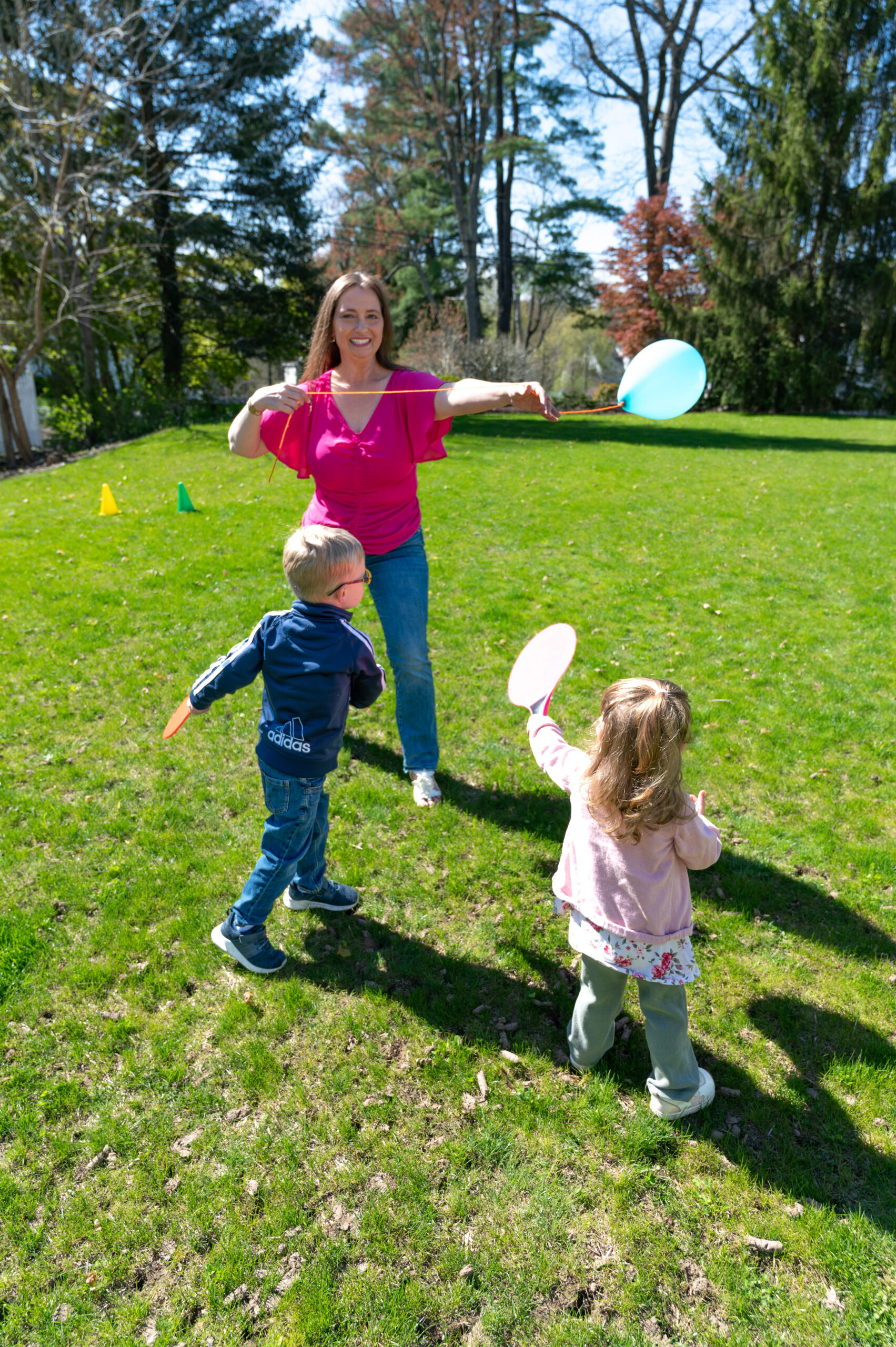
Body Activated Learning™ takes a different approach by recognizing the important relationship between movement, sensory experiences, self-regulation, and learning. It gives educators practical ways to incorporate purposeful movement into the school day, helping children prepare to engage with learning rather than expecting them to remain still and attentive throughout every activity.
And because the program can be integrated into existing classroom routines, it can support the whole class while allowing educators to consider the individual needs of the children they teach.
The goal is simple: Help children balance the demands of a technology-filled world with the movement and sensory experiences that support active learning.

The Body Activated Learning™ Framework
Body Activated Learning™ provides a practical roadmap for incorporating sensory-based movement strategies throughout a child's day. The framework brings together movement sequences, vision exercises, and recovery breaks to help children respond to the demands of learning and everyday activities.
Key Components
Body Activated Learning™ is organized around four key components:

1. Energize
Sometimes children need movement to become more alert, engaged, and ready to participate. Energize activities incorporate purposeful movement to help support a child's level of alertness and readiness for learning.
2. Restore
Throughout the day, children may benefit from opportunities to reset their energy and recover from the demands placed on their bodies. Restore activities help provide movement experiences that support recovery and prepare children for what comes next.
3. Activate
Learning involves taking in and responding to information from the world around us. Activate activities incorporate sensory-based movement and vision exercises designed to support children's sensory experiences and engagement with learning tasks.
4. Regroup
Learning environments can place ongoing demands on children's attention and visual systems. Regroup activities provide opportunities to pause, stretch, take a vision break, and reset between activities.
Together, these four components offer a flexible framework for considering how purposeful movement, sensory experiences, and recovery opportunities can support children's participation in learning.
Who Can Benefit from Body Activated Learning™?
Body Activated Learning™ is designed for the adults who help children learn, grow, and develop. Its practical strategies can be explored in a variety of settings, from classrooms and therapy environments to everyday routines at home.

Educators and Schools
Discover ways to incorporate purposeful movement into classroom routines and learning activities while considering the needs of students with different sensory and developmental profiles.
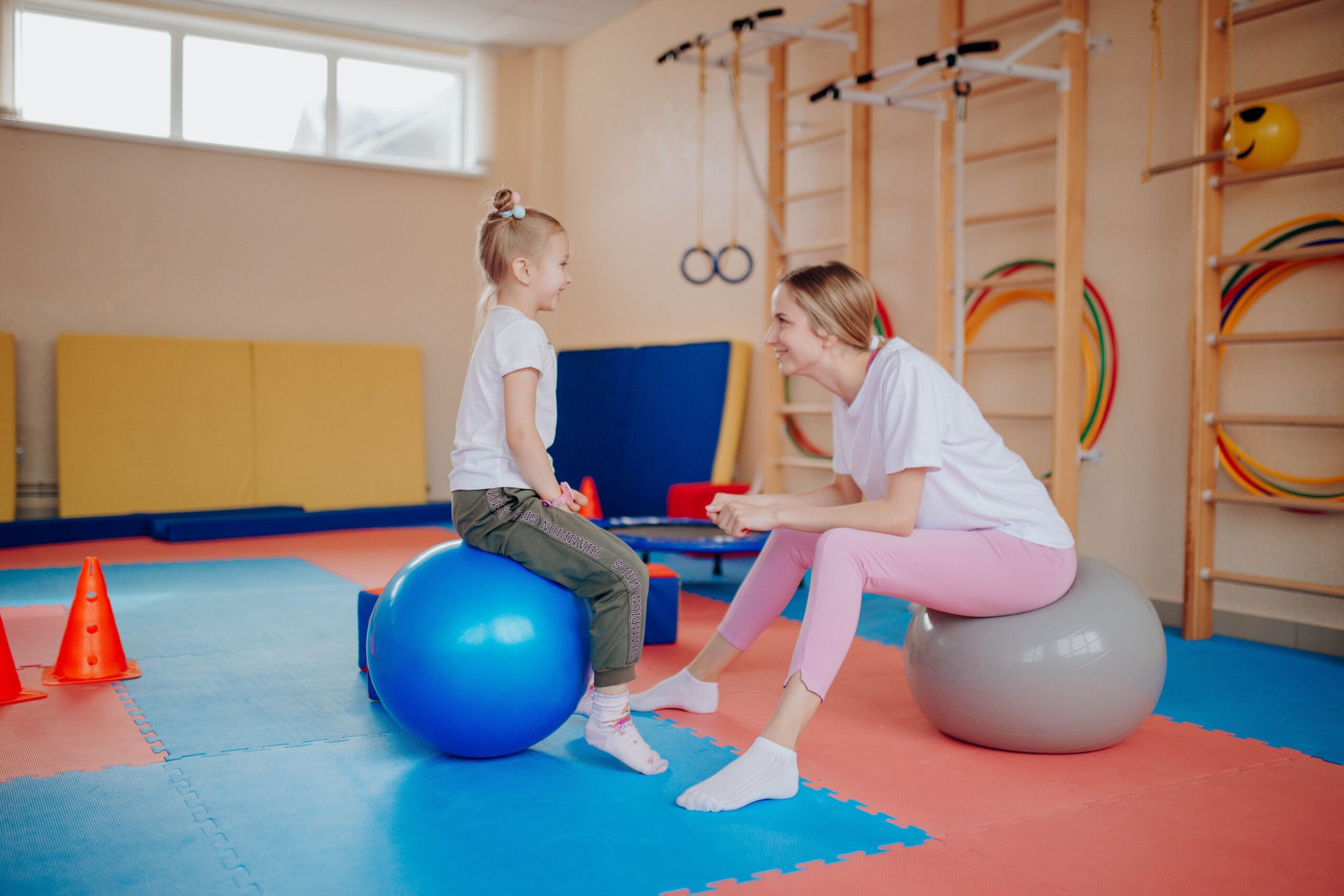
Occupational Therapists and Child-Development Professionals
Explore sensory-based movement strategies that can complement your work with children and help inform how you support their attention, self-regulation, and participation.

Parents and Caregivers
Develop a better understanding of the relationship between movement and learning, and explore practical ways to support children's needs throughout everyday activities.
Making It Work in the Classroom
Simple Concepts. Flexible Activities. Endless Opportunities to Adapt.
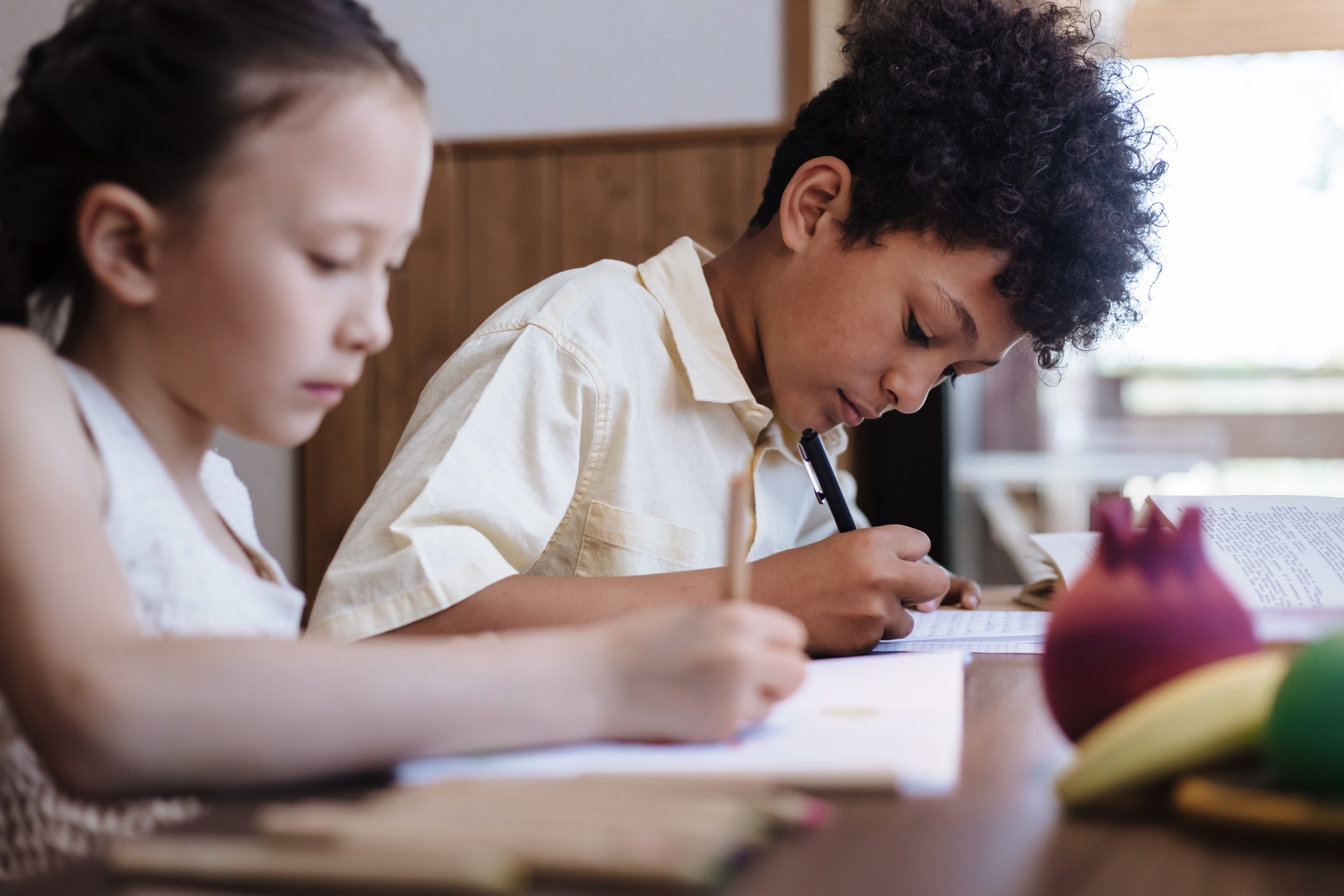
One of the strengths of Body Activated Learning™ is its straightforward approach. Once educators understand the framework and the purpose of its components, they can use their creativity and professional expertise to adapt the exercises to their classroom routines and students' needs.
The activities can be used regularly as part of the morning routine and throughout the day when students may benefit from additional support with attention, engagement, or transitions.
Consistency helps teachers become more familiar with the process and better able to make thoughtful choices about when and how to use the exercises.
For students who need individualized support, activities and sequences can be adapted in collaboration with appropriate professionals, taking into account the child's needs and the demands of the learning environment.

The aim isn't to add another complicated program to an already busy school day. It's to give educators practical tools they can use to make the most of the learning opportunities already in front of them.
Building Skills for a Changing World.
As technology continues to shape how children learn and interact with their environment, it becomes increasingly important to recognize the value of movement and the body's role in development.
Movement is about more than physical activity. It also provides opportunities for children to explore their environment, coordinate their actions, respond to sensory information, and develop skills they can use in everyday life.
Body Activated Learning™ brings these ideas together in a practical framework that helps adults consider children's needs alongside the demands of a technology-rich world.
By making purposeful movement part of the conversation about learning, we can help children build a stronger foundation for engagement, participation, and growth.
Explore the Body Activated Learning Handbook

Want to learn how to put the framework into practice?
The Body Activated Learning Handbook by Aubrey Schmalle offers an easy-to-follow guide to using the framework with children. It includes sensory-based movement sequences, vision exercises, and recovery breaks designed to support attention, engagement, and self-regulation.
The handbook also includes digital planning resources and additional activities to help with implementation.
Whether you're an educator looking for practical classroom strategies, a professional working with children, or a parent wanting to better understand your child's needs, the handbook is a place to begin exploring Body Activated Learning™.
Quick Links
Join Our Newsletter
Sign up and get practical insights and resources to help children move, engage, and learn.
© 2026 Body Activated Learning™ • Terms & Conditions • Contact Us